Atlapexco

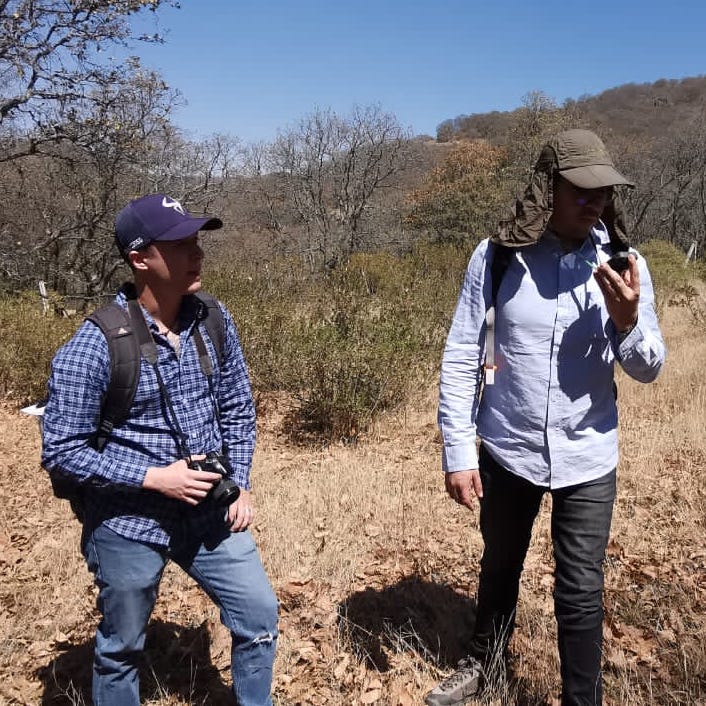
En la investigación se identificaron puntos de descarga de aguas residuales y corrientes naturales cercanas, lo que permitió comprender el comportamiento hidráulico del área. Además, se analizaron factores como la vegetación existente, la pendiente del terreno y la disponibilidad de espacio para la implementación del humedal artificial. Toda esta información fue clave para determinar el tipo de sistema más adecuado y garantizar un funcionamiento eficiente y sostenible.
El propósito principal de este proyecto es contribuir al tratamiento natural de aguas residuales mediante un sistema ecológico capaz de reducir contaminantes y mejorar la calidad del agua antes de su reincorporación al medio ambiente. Los humedales artificiales representan una alternativa sustentable, de bajo costo y con un impacto ambiental positivo, ya que aprovechan procesos naturales realizados por plantas, microorganismos y el suelo para filtrar y depurar el agua.
La visita de campo también permitió reconocer la importancia ambiental y social de implementar este tipo de soluciones en comunidades de Atlapexco. Además de ayudar en la conservación de los recursos hídricos, el proyecto busca generar beneficios para la población local, promoviendo prácticas sustentables y fomentando el cuidado del medio ambiente mediante tecnologías ecológicas adaptadas a las necesidades de la región.
During the investigation, wastewater discharge points and nearby natural water currents were identified, allowing for a better understanding of the hydraulic behavior of the area. In addition, factors such as existing vegetation, land slope, and the availability of space for the implementation of the artificial wetland were analyzed. All this information was essential in determining the most suitable type of system and ensuring efficient and sustainable operation.
The main purpose of this project is to contribute to the natural treatment of wastewater through an ecological system capable of reducing pollutants and improving water quality before its reintroduction into the environment. Artificial wetlands represent a sustainable, low-cost alternative with a positive environmental impact, as they take advantage of natural processes carried out by plants, microorganisms, and soil to filter and purify water.
The field visit also made it possible to recognize the environmental and social importance of implementing this type of solution in communities of Atlapexco. In addition to helping conserve water resources, the project seeks to generate benefits for the local population by promoting sustainable practices and encouraging environmental care through ecological technologies adapted to the needs of the region.